
An international team of scientists at EPFL and the US have discovered a material that can clear out radioactive waste from nuclear plants more efficiently, cheaply, and safely than current methods. Read more
An international team of scientists at EPFL and the US have discovered a material that can clear out radioactive waste from nuclear plants more efficiently, cheaply, and safely than current methods. Read more
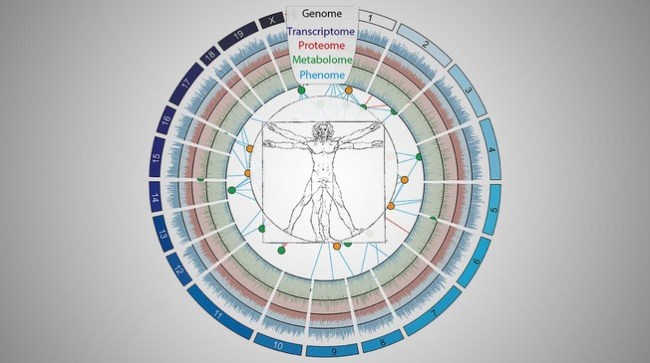
Scientists from EPFL and ETHZ have developed a powerful tool for exploring and determining the inherent biological differences between individuals, which overcomes a major hurdle for personalized medicine. Read more
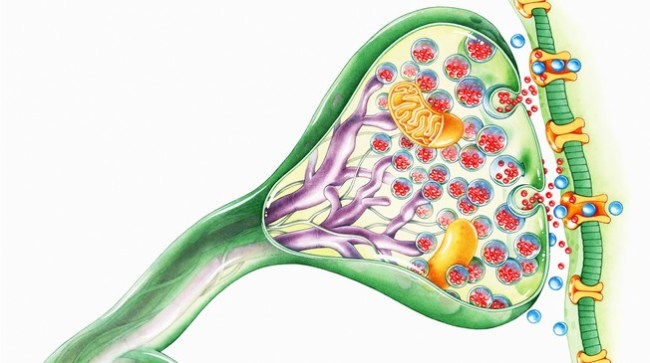
EPFL scientists have determined that synapses in the hindbrain switch synaptotagmin isoforms as a strategy for optimizing speed and plasticity. Hindbrain synapses switch between synaptotagmin isoforms

Working with researchers at the PSI and at the University of Utrecht, EPFL scientists uncover how a protein acts as a molecular “lid” to cap microtubules, thus regulating the length of centrioles. Read more
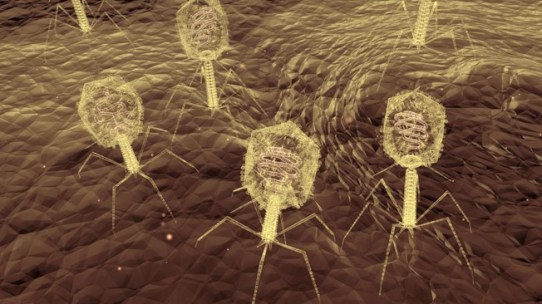
Bacteriophages are viruses that infect bacteria. Using state-of-the-art tools, EPFL scientists have described a million-atom “tail” that bacteriophages use to breach bacterial surfaces. The breakthrough has major implications for science and medicine, as bacteriophages are widely used in research. Read more
 The Upturned Microscope