
12.04.16 – EPFL scientists propose a new way of understanding how the brain processes unconscious information into our consciousness. According to the model, consciousness arises only in time intervals of up to 400 milliseconds, with gaps of unconsciousness in between. Read more
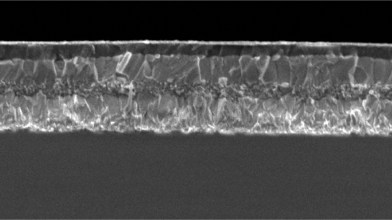 EPFL scientists achieve the highest yet reproducibility for perovskite solar cells combined with a boundary-pushing 21.1% efficiency at normal operating conditions —
 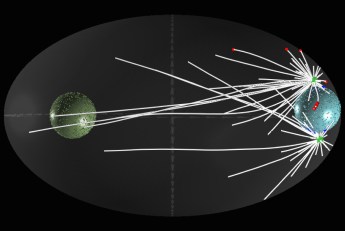 EPFL scientists have discovered how the molecular motor protein dynein regulates the all-important separation of centrosomes during cell division.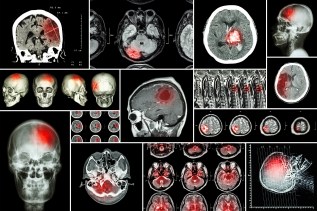
 The Upturned Microscope