
The Upturned Microscope

Menu

Skip to content
  • Home
  • About me
  • Portfolio

Mobility (comic for EPFL Dimensions #20)

March 17, 2026 ~ Leave a comment

@upmicblog

Share this:

  • Share on Facebook (Opens in new window) Facebook
  • Share on X (Opens in new window) X
  • Share on Reddit (Opens in new window) Reddit
  • Share on WhatsApp (Opens in new window) WhatsApp
  • Share on LinkedIn (Opens in new window) LinkedIn
  • Share on Tumblr (Opens in new window) Tumblr
  • Share on Pinterest (Opens in new window) Pinterest
  • Email a link to a friend (Opens in new window) Email
  • Print (Opens in new window) Print
Like Loading...
This comic was posted in Uncategorized.

Post navigation

« First
← Prev
Random
Latest »
Latest News
0

How receptor mobility and function are linked

November 13, 2015 ~ spesaeterna

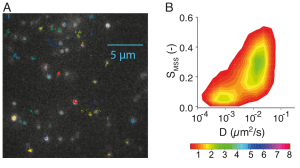
imgtxtEPFL scientists have used quantum dots to track individual receptors in the cell membrane. The work connects receptor function to mobility, and offers new insights to regulation of signal transmission in the cell — Read more

Share this:

  • Share on Facebook (Opens in new window) Facebook
  • Share on X (Opens in new window) X
  • Share on Reddit (Opens in new window) Reddit
  • Share on WhatsApp (Opens in new window) WhatsApp
  • Share on LinkedIn (Opens in new window) LinkedIn
  • Share on Tumblr (Opens in new window) Tumblr
  • Share on Pinterest (Opens in new window) Pinterest
  • Email a link to a friend (Opens in new window) Email
  • Print (Opens in new window) Print
Like Loading...
0

A novel material turns space radiation into electricity

November 10, 2015 ~ spesaeterna

SustainableRadiationProtection_finalEPFL scientists are developing a material that can turn X-rays, as well as light, into electricity. The material can be used on photovoltaics used in space exploration. Read more

Share this:

  • Share on Facebook (Opens in new window) Facebook
  • Share on X (Opens in new window) X
  • Share on Reddit (Opens in new window) Reddit
  • Share on WhatsApp (Opens in new window) WhatsApp
  • Share on LinkedIn (Opens in new window) LinkedIn
  • Share on Tumblr (Opens in new window) Tumblr
  • Share on Pinterest (Opens in new window) Pinterest
  • Email a link to a friend (Opens in new window) Email
  • Print (Opens in new window) Print
Like Loading...
0

Super-resolution microscopy reveals 3D organization of genes

November 4, 2015 ~ spesaeterna

PrintEPFL scientists have used super-resolution microscopy to study in unprecedented detail the organizational structure of genes that regulate the development of the embryo. Read more

Share this:

  • Share on Facebook (Opens in new window) Facebook
  • Share on X (Opens in new window) X
  • Share on Reddit (Opens in new window) Reddit
  • Share on WhatsApp (Opens in new window) WhatsApp
  • Share on LinkedIn (Opens in new window) LinkedIn
  • Share on Tumblr (Opens in new window) Tumblr
  • Share on Pinterest (Opens in new window) Pinterest
  • Email a link to a friend (Opens in new window) Email
  • Print (Opens in new window) Print
Like Loading...
0

Uncovering the inner workings of hydrogen-processing enzymes

November 4, 2015 ~ spesaeterna

imagearticleEPFL scientists have determined the mechanism of a hydrogenase enzyme that can be used for hydrogen processing. The work can potentially improve future hydrogen-energy technologies like fuel cells and hydrogenation plants. Read more

Share this:

  • Share on Facebook (Opens in new window) Facebook
  • Share on X (Opens in new window) X
  • Share on Reddit (Opens in new window) Reddit
  • Share on WhatsApp (Opens in new window) WhatsApp
  • Share on LinkedIn (Opens in new window) LinkedIn
  • Share on Tumblr (Opens in new window) Tumblr
  • Share on Pinterest (Opens in new window) Pinterest
  • Email a link to a friend (Opens in new window) Email
  • Print (Opens in new window) Print
Like Loading...
0

The cholera bacterium can hitchhike amoebas to avoid danger

November 4, 2015 ~ spesaeterna

V.cholerae_Amoebae_EMEPFL scientists have discovered that the cholera bacterium can hitchhike aquatic amoebas, which might allow it to bypass threats in the surrounding water as well as the human stomach. The finding could have major implications for cholera transmission to humans. Read more

Share this:

  • Share on Facebook (Opens in new window) Facebook
  • Share on X (Opens in new window) X
  • Share on Reddit (Opens in new window) Reddit
  • Share on WhatsApp (Opens in new window) WhatsApp
  • Share on LinkedIn (Opens in new window) LinkedIn
  • Share on Tumblr (Opens in new window) Tumblr
  • Share on Pinterest (Opens in new window) Pinterest
  • Email a link to a friend (Opens in new window) Email
  • Print (Opens in new window) Print
Like Loading...

Post navigation

← Older posts
Newer posts →
Creative Commons License
The Upturned Microscope by Nik Papageorgiou is licensed under a Creative Commons Attribution-NonCommercial-NoDerivs 3.0 Unported License.

“…will transport you into the future and hold you there for the ride of your life. Tragedy and love collide in this sci-fi thriller that keeps you guessing what is the next twist. You won’t go wrong with this book.”

Pretty, huh? Give it a click!

Join the Microscope on Facebook

Join the Microscope on Facebook

Follow the Microscope on Twitter

Tweets by upmicblog

LinkedIn

View Nik Papageorgiou's profile on LinkedIn

Click here and The Upturned Microscope will email you when it posts new stuff. Feel the love.

Join 1,935 other subscribers

RSS Feed RSS - Posts

RSS Feed RSS - Comments

Recent Posts

  • Protected:
  • Protein packaging may cause the immune attacks of type-1 diabetes
  • Taking miniature organs from lab to clinic
  • Drosophila innate immunity: another piece to the puzzle
  • Red squirrels in the British Isles are infected with leprosy bacteria
  • New microscope offers unprecedented view of biomolecules
  • How the liver dances to a day/night rhythm
  • A new class of materials could realize quantum computers
  • Turning biofuel waste into wealth in a single step
  • Filming coupled light and electrons as they travel undercover

  • 3,494,063 hits
Blog at WordPress.com.
Privacy & Cookies: This site uses cookies. By continuing to use this website, you agree to their use.
To find out more, including how to control cookies, see here: Cookie Policy
  • Subscribe Subscribed
    • The Upturned Microscope
    • Join 1,935 other subscribers
    • Already have a WordPress.com account? Log in now.
    • The Upturned Microscope
    • Subscribe Subscribed
    • Sign up
    • Log in
    • Report this content
    • View site in Reader
    • Manage subscriptions
    • Collapse this bar
 

Loading Comments...
 

    %d